

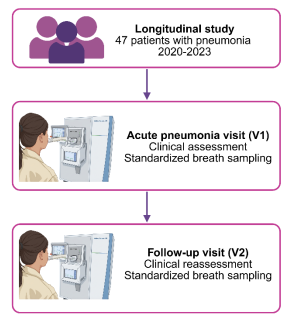
Metabolic alterations in pneumonia assessed by breath analysis: an exploratory paired longitudinal study comparing acute infection and post-recovery states
Britta Christina Brugger, Noriane A. Sievi, Sarah Basler, Patrick Baumgartner, Jonas Herth, Felix Schmidt, Kapil Dev Singh, Pablo Sinues and Malcolm Kohler
Metabolic alterations in pneumonia assessed by breath analysis
This study explores real-time breath metabolomics as a non-invasive approach for monitoring metabolic changes associated with pneumonia and recovery. Using Super SESI coupled to a Q Exactive Plus Orbitrap mass spectrometer, SESI-HRMS breath profiles from 47 patients were analyzed during acute pneumonia and again after clinical recovery.
Breath analysis revealed reproducible changes between acute pneumonia and post-recovery states, with 104 mass-spectral features showing significant longitudinal differences. The results support real-time breathomics as a promising approach for capturing biochemical changes during disease progression and recovery, while larger multicenter studies are required to assess its potential for non-invasive pneumonia monitoring.
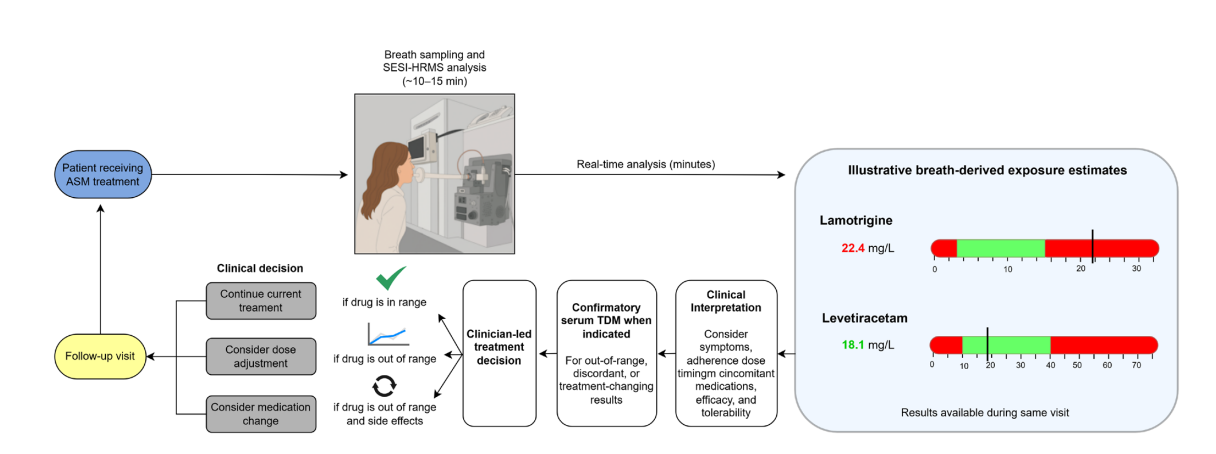
Non-Invasive Estimation of Systemic Drug Exposure Using Exhaled Breath Metabolomics in Humans: A Translational Proof-of-Concept Study
K. Fricke, D. M. Baur, K. D. Singh, F. Schmidt, K. Müsch, N. A. Sievi, M. Di Donato, A. Schmick, J. Herth, S. Ulrich, P. Sinues, M. Galovic, M. Kohler
Non-Invasive Drug Monitoring Through Exhaled Breath
This study explores exhaled breath as a non-invasive approach for estimating systemic exposure to antiseizure medications. Using Exhalion and Super SESI coupled to a Q Exactive Plus Orbitrap mass spectrometer, SESI-HRMS breath profiles from 117 adults were compared with paired serum measurements.
Breath-derived models showed moderate agreement with serum concentrations for valproic acid, levetiracetam, lamotrigine, and lacosamide. The results support real-time breath metabolomics as a complementary approach for multi-drug exposure monitoring, while further multicenter validation is required before clinical implementation.
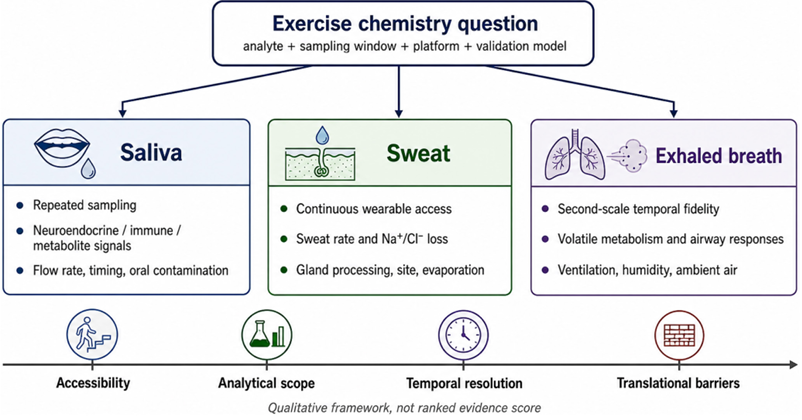
Saliva, Sweat, and Exhaled Breath as Alternative Specimens for Exercise Chemistry: Analytical Advantages, Limitations, and Comparative Progress
J. Pang
SESI-HRMS in Exercise Breathomics
This review highlights saliva, sweat, and exhaled breath as noninvasive matrices for monitoring exercise-related physiology. Among them, exhaled breath stands out for its ability to capture rapid metabolic changes on a second-scale timeframe. The review points to SESI-HRMS as one of the key analytical technologies advancing breathomics from the detection of individual volatile compounds toward real-time, pathway-level metabolic interpretation during exercise. For SESI-based breath analysis, this reinforces its potential as a powerful approach for noninvasive monitoring of substrate use, metabolic dynamics, and physiological responses in sports and exercise science.
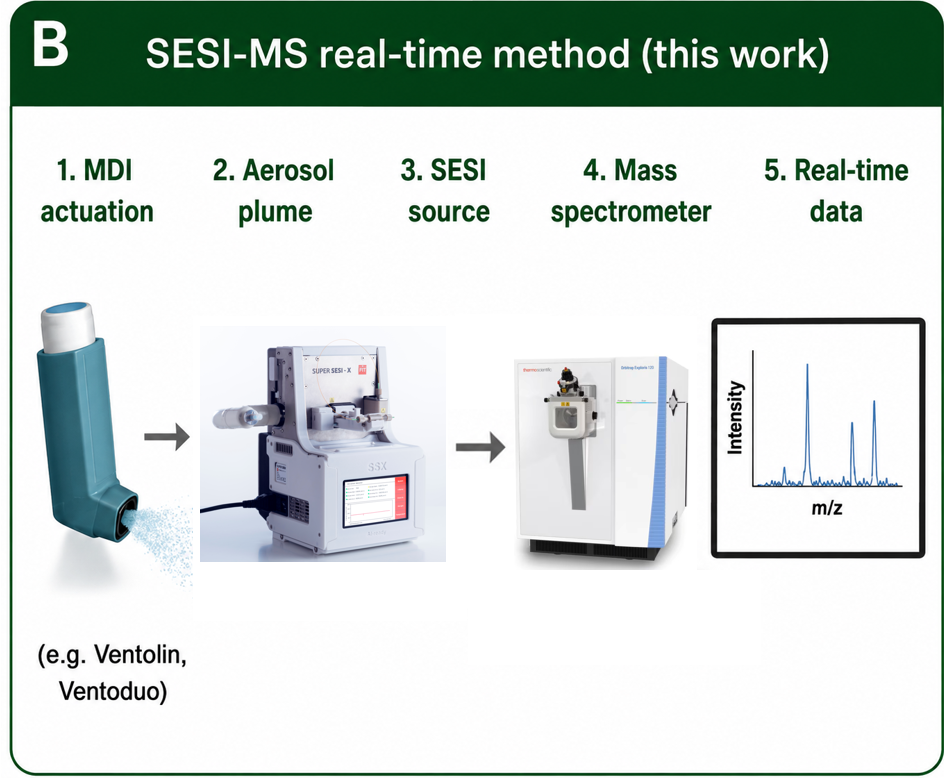
Real-time Metered Dose Inhalers (MDIs) characterization by Secondary Electrospray Ionization (SESI)-Mass Spectrometry: a proof-of-principle study
A. M.Casas, M. del Nogal, E.Herrero, D. Garcia, E. Rodriguez, J. L. Pérez
Real-Time Pharmaceutical Aerosol Analysis
This study explores the application of secondary electrospray ionization mass spectrometry (SESI-MS) for the real-time characterization of pharmaceutical aerosols from metered-dose inhalers (MDIs). The analysis includes one of the most widely used inhalers worldwide, Ventolin®, a simple formulation containing salbutamol and norflurane for which salbutamol was reliably detected, while norflurane remained undetectable due to its low proton affinity; and Ventoduo®, a multicomponent formulation also including beclomethasone dipropionate, ethanol, and oleic acid for which all major components were successfully detected. The coupling of SESI with high-resolution MS enabled unambiguous identification of all analytes, with excellent mass accuracy, confirming the identity of both active ingredients through characteristic fragmentation patterns. These results demonstrate that SESI-MS, particularly when coupled with high-resolution instrumentation (SESI-HRMS), is a powerful and reliable tool for the comprehensive and real-time analysis of pharmaceutical aerosols, including those with multiple active ingredients and co-solvents.
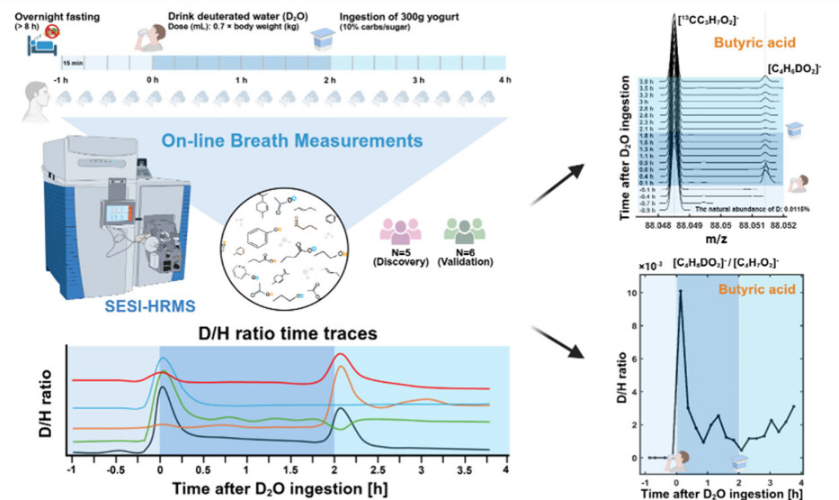
In Vivo Real-Time Metabolic Isotopic Tracing via Breath Analysis upon Deuterated Water Ingestion: A Proof-of-Concept Study
Z. Yin, K. D. Singh, Z. Tang, M. Richard, J. Zeng, U. Frey, P. Sinues, X. Li
Real-Time Metabolic Tracing Through Breath
This proof-of-concept study explores the use of SESI-HRMS for noninvasive, real-time metabolic isotopic tracing through exhaled breath after deuterated water ingestion. By monitoring deuterium incorporation in breath metabolites, the approach enables dynamic tracking of metabolic responses across fasting and postprandial states. The study revealed distinct labeling patterns associated with short-chain fatty acids, energy metabolism, and host-microbial metabolic activity, demonstrating the potential of breath-based SESI-HRMS as a powerful tool for metabolic phenotyping, nutritional studies, and future clinical research.
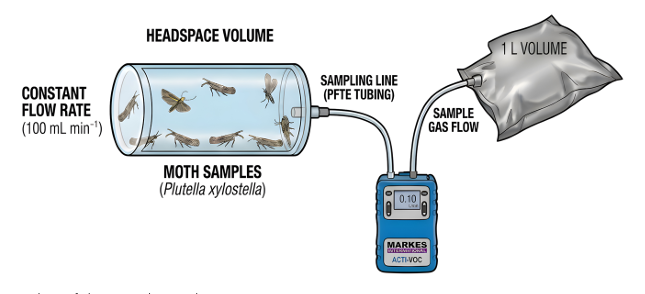
Pheromone Measurement Using Secondary Electrospray Ionization and Portable Membrane Inlet Mass Spectrometry
S. Giannoukos, D. Raptopoulos, M. Konstantopoulou
Monitoring Insect Pheromones in Real Time
This study explores the use of SESI-HRMS and portable membrane inlet mass spectrometry for the rapid detection and monitoring of insect sex pheromones. By measuring pheromone levels in the gas phase, these technologies can support more precise pest management strategies, helping verify pheromone coverage, identify gaps, and optimize reapplication in mating disruption programs. The work demonstrates sensitive detection from low ppt to low ppb levels, fast response times, and successful identification of key pheromone components in real Plutella xylostella headspace samples, highlighting a promising path toward real-time and field-deployable pheromone monitoring.
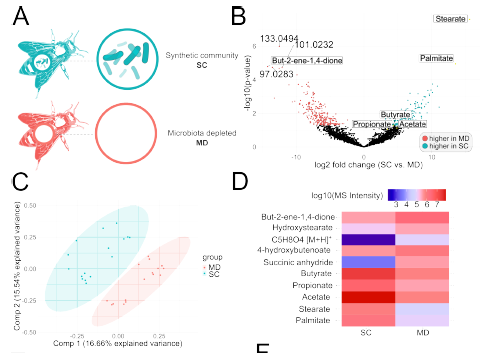
Applications of High-Resolution Mass Spectrometry in Metabolomics
M. Fido
Expanding high-resolution mass spectrometry applications in metabolomics
This doctoral thesis explores the use of high-resolution mass spectrometry to address diverse challenges in metabolomics, ranging from volatile compound analysis to targeted quantification and computational data processing. Across four studies, the work investigates polymer sampling bags for offline breath analysis, applies volatilomics to study the metabolic effects of gut microbiota and pathogen infection in honey bees, develops an HRMS-based method for the detection and quantification of nitrogen-containing metabolites, and introduces LCMSpector, an open-source tool for targeted mass spectrometry data analysis. Together, these contributions demonstrate the versatility of high-resolution mass spectrometry for studying complex biological matrices, improving analytical workflows, and supporting more reliable metabolomic interpretation.

Cold induced pain elicits reproducible breath metabolomic responses across geographically distinct populations
M. Richard, K.D. Singh, D. Sezer, S. Buergler, L. Palermo, Y. Schulz, Z. Tang, X. Luo, U. Frey, P. C. Cattin, X. Li, J. Gaab, P. Sinues
Breath metabolomics for real-time detection of acute pain responses
Cold-induced pain produces rapid physiological changes that are difficult to assess objectively, especially in vulnerable or non-communicative patients. This study investigates whether real-time breath metabolomics using SESI-HRMS can detect metabolic responses to the cold pressor test, a standardized model of acute nociceptive and sympathetic activation. Across two independent cohorts from Switzerland and China, the intervention induced reproducible shifts in the exhaled metabolome, with more than 400 upregulated features shared between both populations. Pathway analyses linked these changes mainly to amino acid metabolism, energy regulation, oxidative stress, and vascular responses. In addition, a neural network model classified pre- and post-pain breath fingerprints with an AUC of 0.856 and 78% accuracy. Overall, the study supports exhaled breath analysis as a promising non-invasive and observer-independent approach for monitoring short-term physiological responses related to pain.
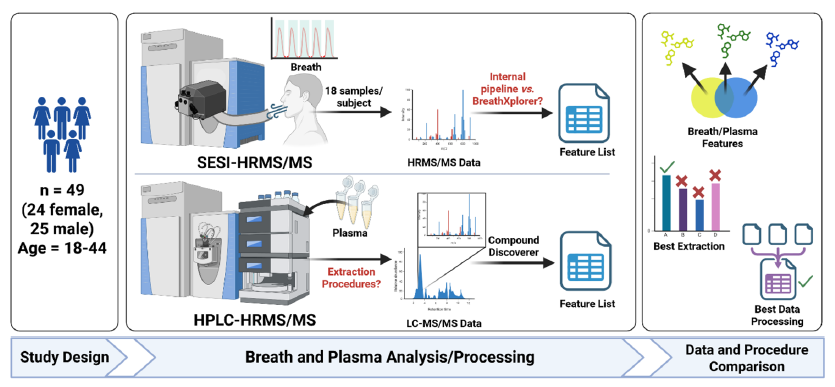
Secondary electrospray mass spectrometry (SESI-MS) and liquid chromatography mass spectrometry (LC-MS) for comparative volatile/semi-volatile organic compound profiling in human plasma and breath
S. Palmisano, A. R. Anderson, Z. J. Sasiene, E. Schaller, R. M. Taylor, R. Chitale1, P. T. McMahon, P. M. Mach, T. G. Glaros, J. Baca and E. M. McBride
Linking breath and blood metabolomics: advancing noninvasive biomarker discovery
Breath analysis offers a promising noninvasive alternative to blood-based diagnostics, but the relationship between breath and plasma metabolites remains poorly understood. This study integrates real-time SESI-MS breath analysis with LC-MS plasma profiling to systematically compare volatile and semi-volatile compounds across both matrices. By optimizing sample preparation and data processing workflows, including methanol-based extraction and the BreathXplorer pipeline, the study enhances feature detection and overlap between breath and plasma. The identification of shared metabolic signatures highlights the potential of breath analysis as a surrogate for systemic metabolomics, paving the way for more reliable, noninvasive diagnostic strategies.
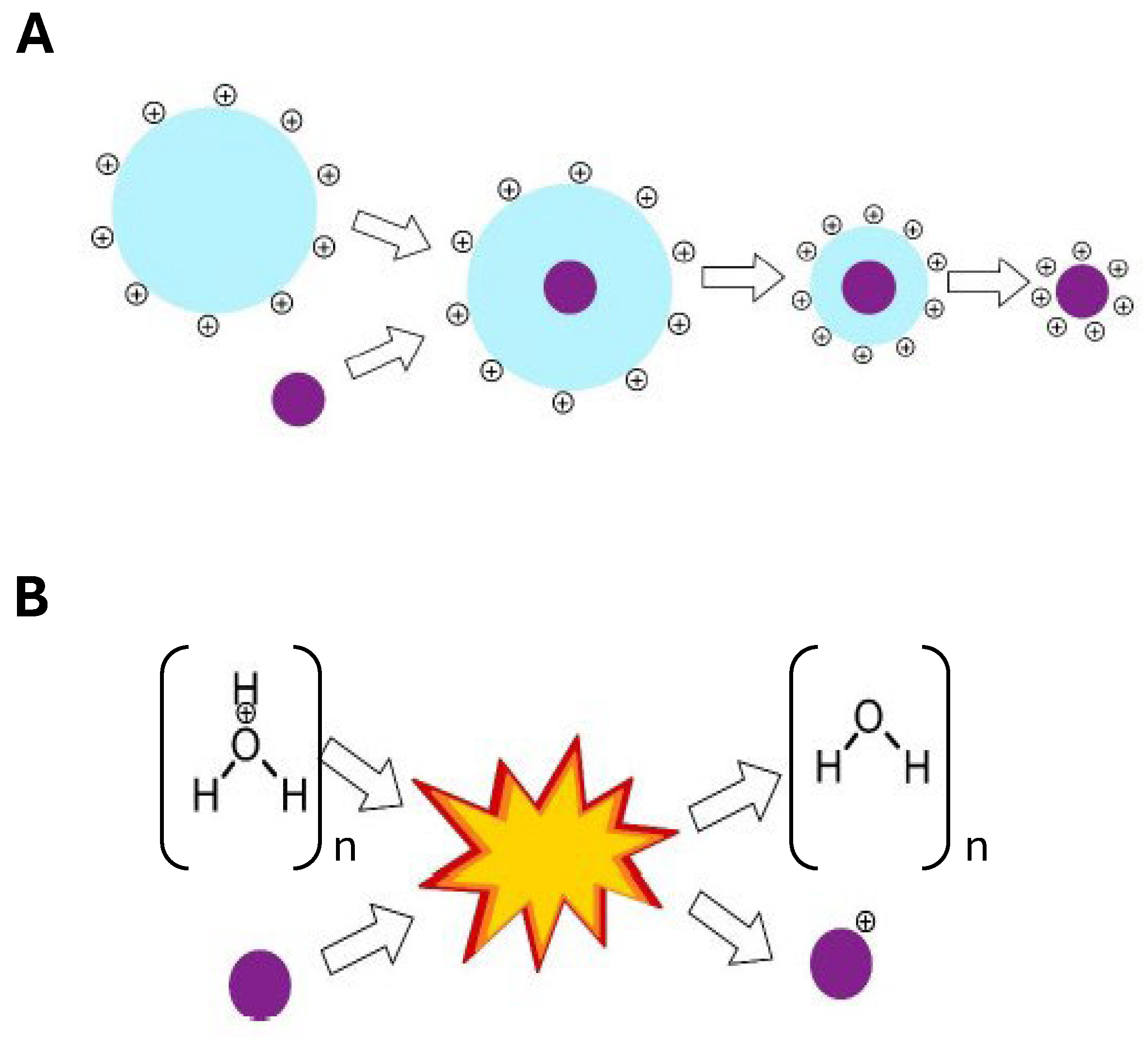
Secondary Electrospray Ionization Mass Spectrometry for Volatile Analysis: Current Challenges and Emerging Solutions
D. García, A. Ballester, M. E. Fernández
SESI-MS for volatile analysis: overcoming challenges toward clinical and industrial adoption
Secondary electrospray ionization mass spectrometry (SESI-MS) is a powerful platform for real-time, noninvasive analysis of volatile compounds in complex matrices such as breath and microbial systems. This review examines the key methodological challenges limiting its broader adoption,including quantification, compound identification, and standardization, and highlights emerging solutions such as advanced fragmentation strategies, spectral stitching, and improved quality control approaches. By addressing these critical gaps, SESI-MS is positioned to transition from a research tool to a robust technology for clinical diagnostics, volatilomics, and industrial applications.
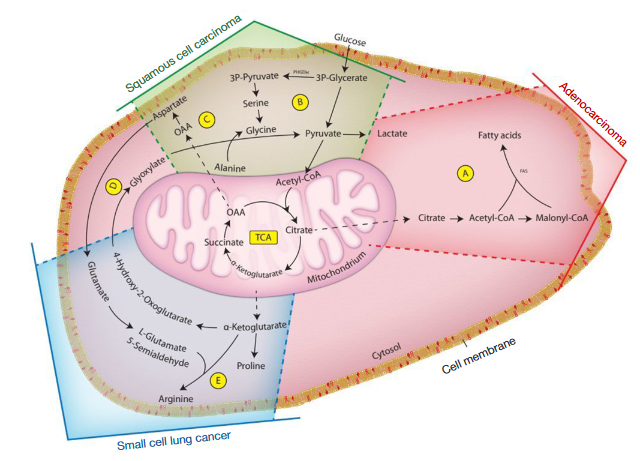
Real-time breath metabolomics as catalyst for personalized lung cancer diagnostics: prospective matched case-control trial (LUCAbreath)
F. Schmidt, D. M. Baur, P. Baumgartner, J. Herth, K. Fricke, N.A. Sievi, K. Dev Singh, T. Gaisl, A. Huang, D. Franzen, S. Ulrich, P Sinues, M. Kohler
Real-time breath metabolomics: a new frontier in personalized lung cancer diagnostics
Real-time breath analysis is emerging as a powerful, non-invasive strategy for lung cancer detection and metabolic phenotyping. In this prospective matched case-control study, SESI-HRMS enabled rapid breath profiling and identified distinct metabolic signatures that differentiated lung cancer patients from matched controls with promising accuracy. Beyond detection, the study revealed subtype-specific metabolic patterns, highlighting the potential of breath metabolomics to complement imaging and genomic profiling in a more personalized, multi-omics approach to lung cancer diagnosis and care.
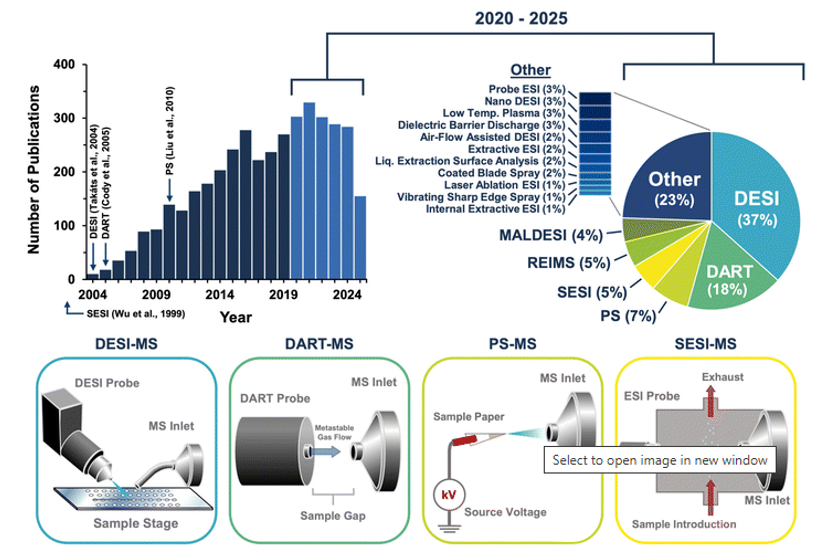
Ambient ionization strategies for the characterization of microbial systems via mass spectrometry
H.S. Shepard, J.C. May, J.A. McLean
Ambient mass spectrometry: rapid, in situ insights into microbial systems
Ambient ionization mass spectrometry is transforming microbial analysis by enabling rapid, high-throughput, and in situ chemical characterization with minimal sample preparation. This overview highlights key ambient MS platforms, including DESI-MS, DART-MS, paper spray MS, and SESI-MS,and their growing impact on microbial profiling and imaging of complex, fragile substrates. By capturing microbial biochemistry in real time, ambient MS is opening new avenues for fast diagnostics, spatially resolved analysis, and advanced microbiological research.
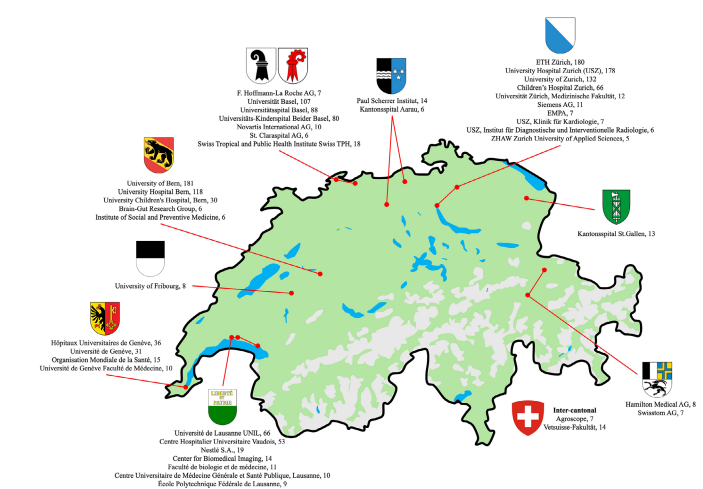
Noninvasive Disease Diagnostics: The Swiss Contribution Highlights to Breath Analysis Research
S.J. Swift, K. Dryahina, P. Španěl, F. Kontopidou, C. Kokkotis, R.Zenobi, S. Giannoukos
Breath analysis in Switzerland: advancing real-time, noninvasive clinical diagnostics
Breath analysis is emerging as a powerful, noninvasive approach to clinical diagnostics, with Switzerland at the forefront of recent advances. This perspective highlights progress since 2019, focusing on secondary electrospray ionization high-resolution mass spectrometry (SESI-HR-MS) for real-time metabolic profiling. By identifying key methodological gaps and clinical challenges, it outlines the path toward translating breath analysis into routine clinical practice and precision medicine.
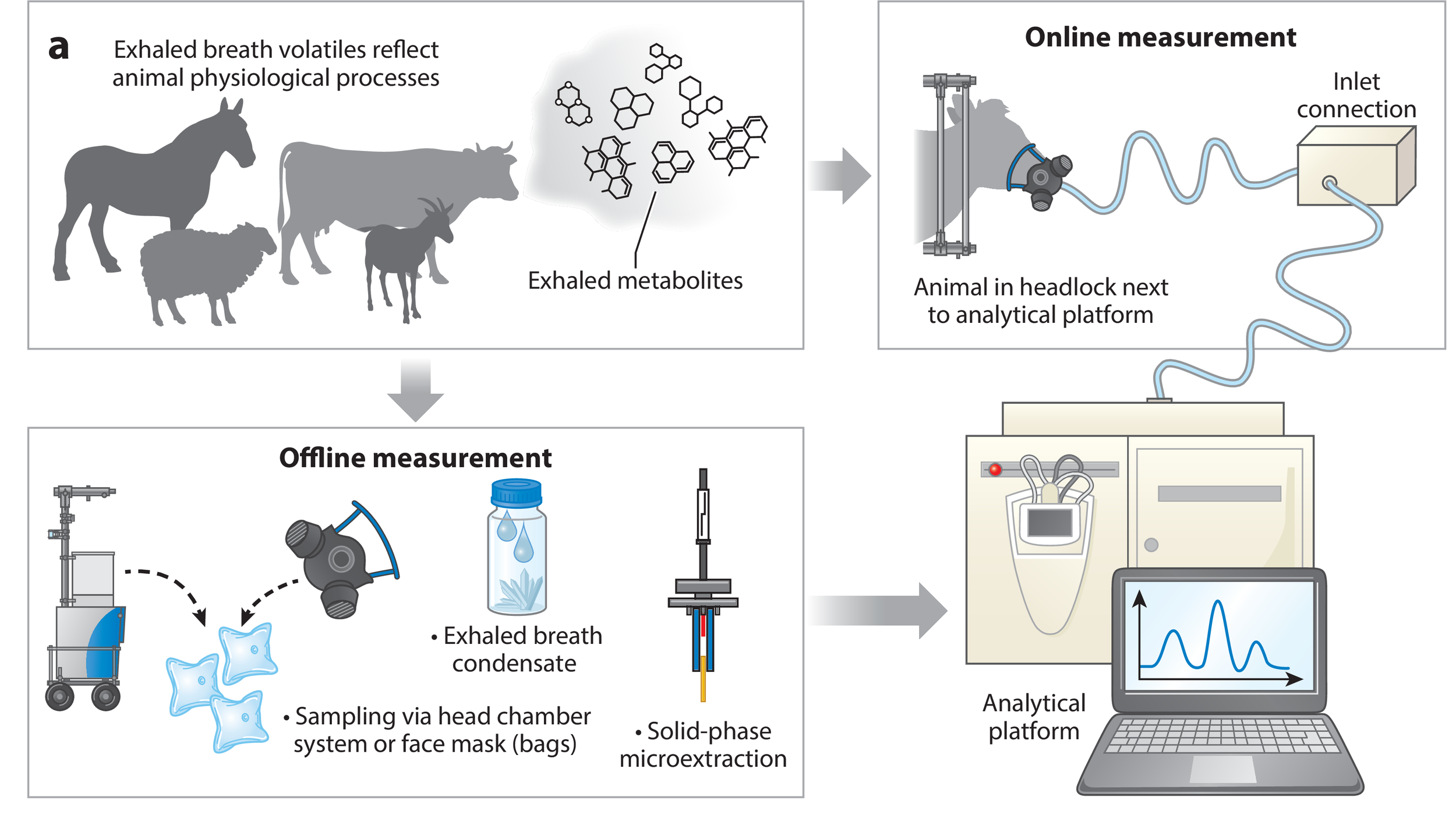
Breathprints of the Barn: The Future of Livestock Research and Monitoring with Exhalomics
M. Niu, U. Arshad, M.Z. Islam, M.A. Barrientos-Blanco, E. Slack, S. Giannoukos, R. Zenobi
Exhalomics: advancing noninvasive monitoring in livestock health and welfare
This review highlights exhaled breath analysis (“exhalomics”) as an emerging noninvasive approach for monitoring livestock health, metabolism, and welfare. It synthesizes advances in sampling and analytical techniques, outlining applications in disease detection, nutrition assessment, and physiological and microbial profiling across animal species. Despite promising progress, the field faces challenges in standardization, metabolite identification, and scalability for farm use. The integration of exhalomics with multi-omics and AI-driven analytics is poised to transform precision livestock farming by enabling earlier disease detection, improved productivity, and enhanced animal welfare.

Real-time breath drug metabolic monitoring under stellate ganglion block with lidocaine: a proof-of-concept study
Z. Yin, W. Xiong, K. Zhang, X. Luo, M. Wei, K.D. Singh1,2, U. Frey, X. Li, X. Feng, and P. Sinues
Breath metabolomics under lidocaine-SGB
This pilot study provides the first real-time metabolic profiling of lidocaine-based stellate ganglion block (SGB) using high-resolution breath analysis (SESI-HRMS). In 28 participants, more than 300 metabolites were significantly altered after lidocaine injection, including both drug-derived compounds and endogenous metabolites linked to fatty-acid oxidation and amino-acid metabolism. The findings demonstrate that breath metabolomics can simultaneously capture drug metabolism and host physiological responses, while revealing notable inter-individual variability. This work positions breath-based pharmacometabolomics as a promising tool for personalized monitoring and optimization of SGB interventions in clinical practice.
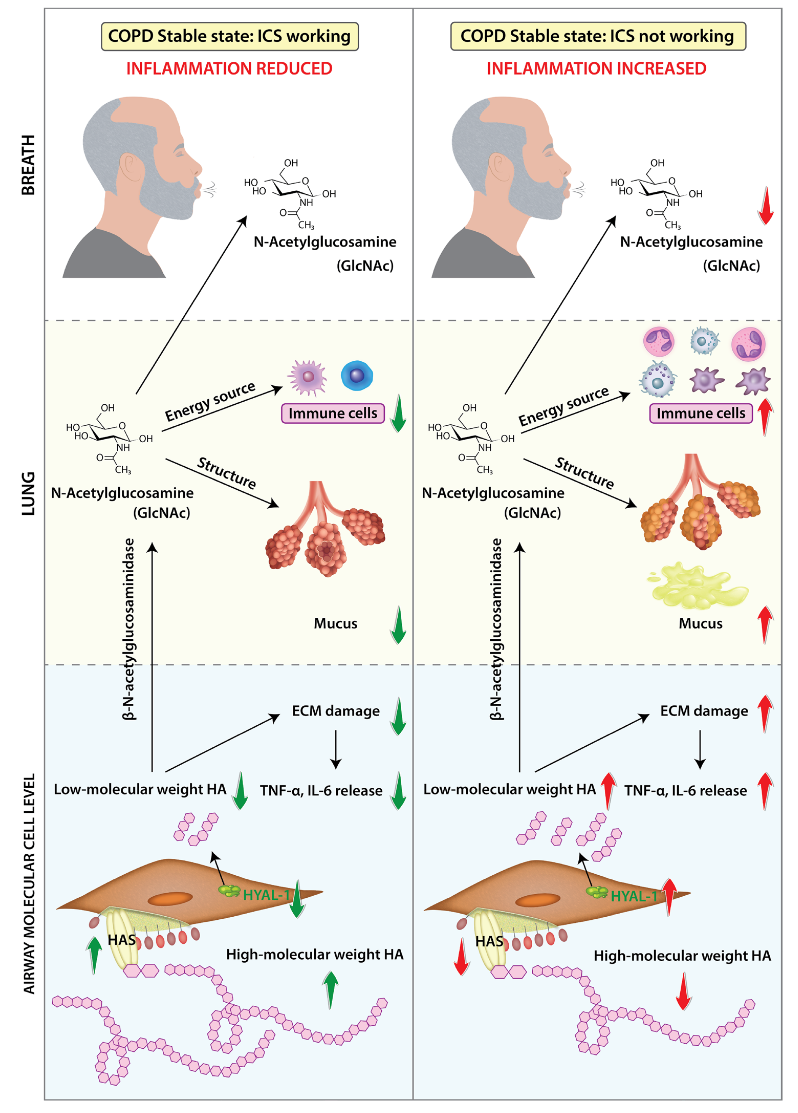
Acute COPD exacerbation despite triple inhaled therapy: a molecular insight – TripleEx study
N.A. Sievi, F. Schmidt, K. Fricke, D.M. Baur, S. Basler, J. Herth, M. Kohler
Breath metabolomics in COPD exacerbations
This study examined whether real-time breath analysis can detect metabolic changes during acute exacerbations of COPD (AECOPD) compared to the stable state in patients receiving triple inhaled therapy. Breath profiles from 28 patients revealed alterations in aminosugar, linoleate, and butanoate pathways. A prediction model discriminated AECOPD from stable state with high accuracy (AUC = 0.84, sensitivity and specificity 86%). These findings suggest that exhaled breath analysis may provide a rapid, non-invasive tool for detecting exacerbations and reveal aminosugar metabolism as a potential therapeutic target.
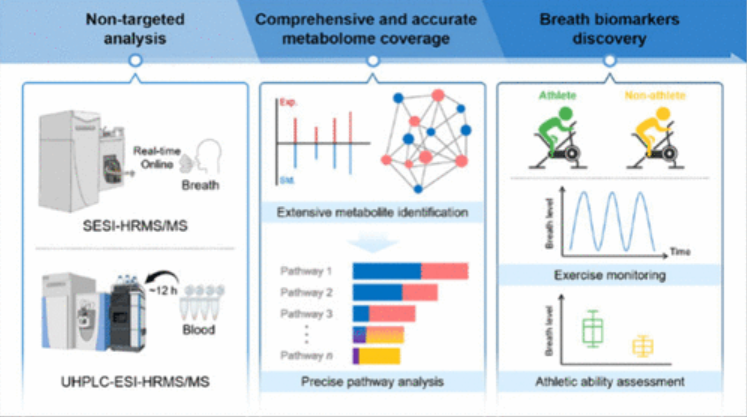
Metabolite Fusion between Breath and Blood Enables More In-Depth Understanding of the Endogenous Metabolome
Z. Tang, J. Yang, B. Su, X. Xu, X. Luo, H. Wang, K. Zhang, T. Huan, P. Sinues, M. Fang, X. Li
Breath Metabolomics Beyond Blood
This study demonstrates how exhaled breath can complement blood in metabolomics by retaining volatile compounds often lost in blood analysis. Researchers combined a controlled exercise protocol, a custom breath metabolomics database, and metabolite fusion across breath and blood to boost identification accuracy. High-resolution MS revealed 66 unique breath metabolites, 59 unique blood metabolites, and only 4 shared. Integrating both matrices expanded pathway coverage and highlighted breath-specific markers of exercise-induced changes, paving the way for novel biomarkers and future smart wearable applications.

Exploring exhaled breath biomarkers for lactose intolerance diagnosis: the Lactobreath pilot study protocol
S. Giannoukos, K. J.e Burton-Pimentel, R. Guillod, G. Vergères, D. Pohl
The Lactobreath study explores real-time breath analysis as a novel, non-invasive tool to detect lactose intolerance. In this double-blind trial, 120 participants undergo postprandial testing with lactose or glucose. Using Super SESI-HRMS, the study captures detailed exhalome profiles and correlates them with symptoms, hydrogen levels, gut transit (via ingestible gas capsules), bowel sounds, urine metabolites, and genetic markers. This integrative approach aims to move beyond standard hydrogen breath tests and validate molecular breath signatures as clinical biomarkers for food intolerance.

Smell of stress: An in-depth look into the Bacillus subtilis 168 volatilome during pH stress using secondary electrospray ionization-Orbitrap mass spectrometry
H. G. Mengers, F. Völker, L. M. Blank
Decoding Bacillus subtilis’ Volatilome Under Acid Stress, in Real Time with SESI-Orbitrap
This study reveals the acid stress volatilome of Bacillus subtilis using real-time SESI-Orbitrap MS, offering unprecedented temporal resolution (0.3 Hz) during pH shock in resting cells. Over 450 compounds were tracked across 16,000 data points, uncovering both immediate and delayed VOC responses. Acetoin dominated, as expected, but a novel signal (C₄H₆O) also emerged. This work highlights SESI’s power to monitor microbial stress responses via off-gas VOCs, non-invasively, instantly, and at the molecular scale.

Temperature Programming Secondary Electrospray Ionization (TP-SESI): A Novel Approach for Mass Spectrometry Analysis of Plant Volatile Organic Compounds
S.M. Ashbacher D.C. Muddiman
Heat-Stress VOC Profiling in Basil Using TP-SESI
This study showcases temperature-programmed secondary electrospray ionization (TP-SESI) as a powerful tool for probing plant responses to heat stress. By applying controlled heating to Ocimum basilicum leaves, TP-SESI enabled real-time, non-destructive monitoring of volatile organic compounds (VOCs). The results revealed clear, temperature-dependent changes in VOC composition and abundance, offering insights into thermal stress signaling pathways. TP-SESI emerges as a sensitive, orthogonal method for exploring plant resilience mechanisms and stress-induced metabolism.